
Plastic Injection Molding Services
Custom Plastic Injection Molding for Precision, Performance, and Scalable Production
Plastic injection molding remains one of the most efficient and dependable manufacturing processes for producing high-quality plastic components at scale. For companies developing precision medical devices, rugged defense components, industrial assemblies, engineered fluid system products, and other high-performance applications, the process offers an exceptional combination of repeatability, design flexibility, and long-term manufacturing efficiency.
At TechNH, we help customers move beyond simply sourcing molded parts. We partner with engineering, procurement, sourcing, and operations teams to bring technically demanding programs from concept through production with a focus on manufacturability, consistency, and supply chain confidence.
As a U.S.-based custom plastic injection molder, TechNH supports organizations that require more than commodity manufacturing. Our capabilities are built around precision molding, regulatory-ready quality systems, prototype-to-production scalability, mold transfer expertise, and value-added manufacturing services that reduce supplier complexity while improving execution.
Whether you are launching a new product, scaling an existing manufacturing program, or looking for a more capable domestic manufacturing partner, TechNH provides the expertise and infrastructure to help your program succeed.
TechNH supports customers across industries including medical devices, medical equipment, defense and military applications, precision industrial manufacturing, fluid handling systems, high-end filtration products, energy and hydrogen applications, and industrial electronics.
What Is Plastic Injection Molding?
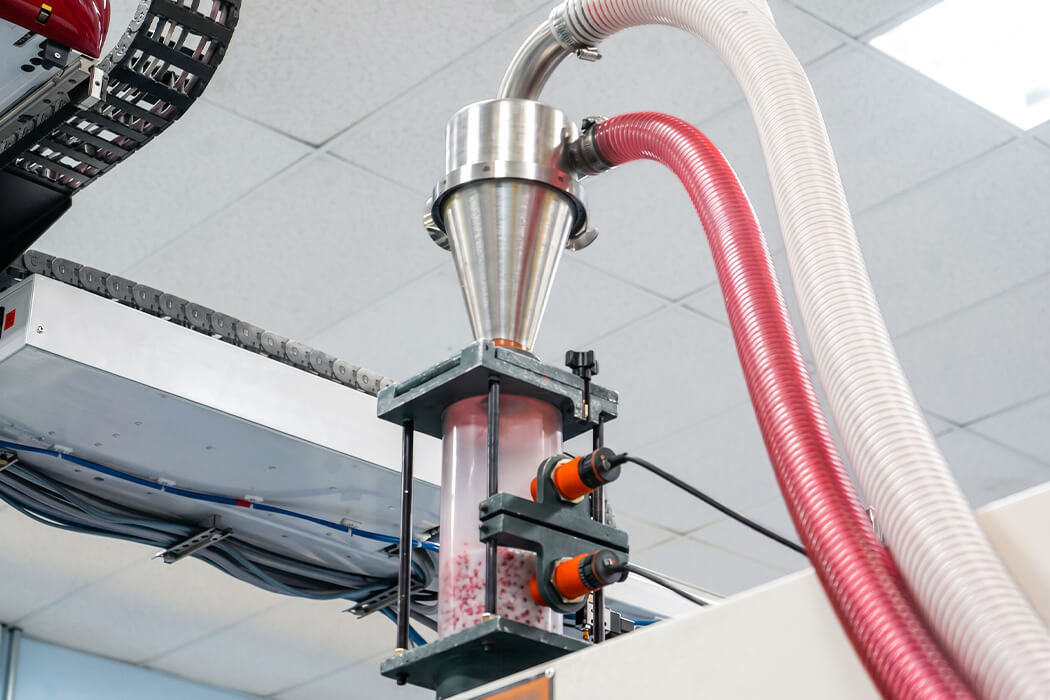
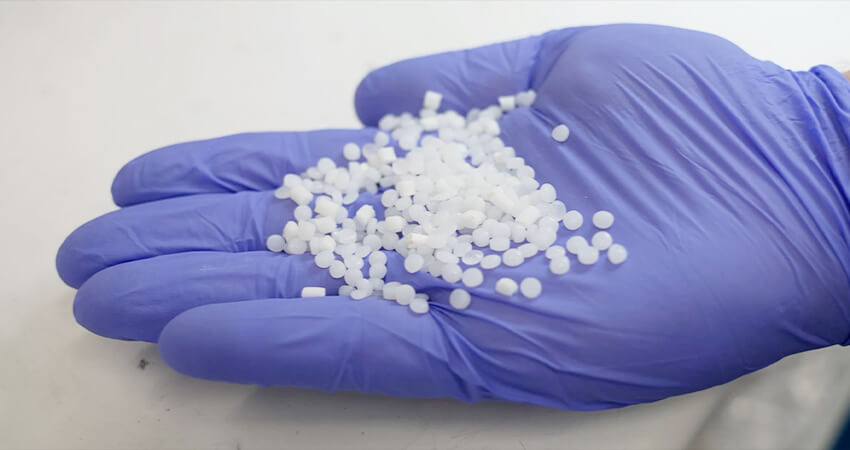
Plastic injection molding is a manufacturing process used to produce plastic components by injecting molten thermoplastic material into a precision-engineered mold cavity under controlled pressure. Once the material cools and solidifies, the mold opens, the finished component is ejected, and the process repeats with remarkable consistency.
Because the process is highly repeatable, plastic injection molding has become one of the most widely used manufacturing methods for producing medium to high-volume plastic components that require dimensional consistency, reliable performance, and scalable production economics.
Unlike machining or additive manufacturing, injection molding requires an upfront tooling investment. However, once tooling is complete and the manufacturing process is stabilized, the per-part economics improve significantly, making it one of the most cost-effective long-term manufacturing solutions for recurring production programs.
For organizations developing engineered products where performance, repeatability, and supply continuity matter, injection molding is often the preferred manufacturing process.
The Plastic Injection Molding Process
While every molded component presents unique technical requirements, the core injection molding process follows a repeatable sequence designed to deliver consistent quality and scalable production performance.

Every successful molding program begins with selecting the appropriate thermoplastic material.
Material selection impacts nearly every aspect of the finished component, including strength, flexibility, heat resistance, chemical compatibility, cosmetic appearance, wear characteristics, electrical performance, and regulatory suitability.
A housing for a medical diagnostic device will require a very different material profile than a ruggedized industrial component or a high-performance filtration assembly. Engineering-grade thermoplastics provide tremendous flexibility, but selecting the wrong material early in development can create costly downstream issues.
That is why strong manufacturability collaboration at the beginning of a program matters.

Before injection begins, the mold is securely closed under significant clamping force.
This prevents the mold from separating under injection pressure and ensures the material fills the cavity correctly. Improper clamping can result in flash, dimensional variation, cosmetic defects, and inconsistent part performance.
Clamp force requirements vary depending on part geometry, projected area, material viscosity, tooling design, and injection pressure.

Once the selected material reaches the appropriate melt temperature, it is injected into the mold cavity under tightly controlled pressure and speed conditions.
This phase directly impacts fill consistency, dimensional accuracy, cosmetic appearance, weld lines, sink marks, voids, and overall part quality.
For engineered applications, repeatable process control is just as important as the tooling itself.

After injection, the molten material cools and solidifies inside the mold.
Cooling is one of the most critical stages in the molding cycle because it affects both quality and throughput. Poor cooling design can lead to warpage, internal stress, longer cycle times, and inconsistent dimensional performance.
Optimized cooling improves both manufacturing efficiency and finished part quality.

Once the component has cooled sufficiently, the mold opens and the part is ejected.
Controlled ejection is especially important for tight-tolerance parts, cosmetic components, and intricate geometries where deformation, drag marks, or surface damage could compromise performance.

For many products, molding is only one step in the manufacturing journey.
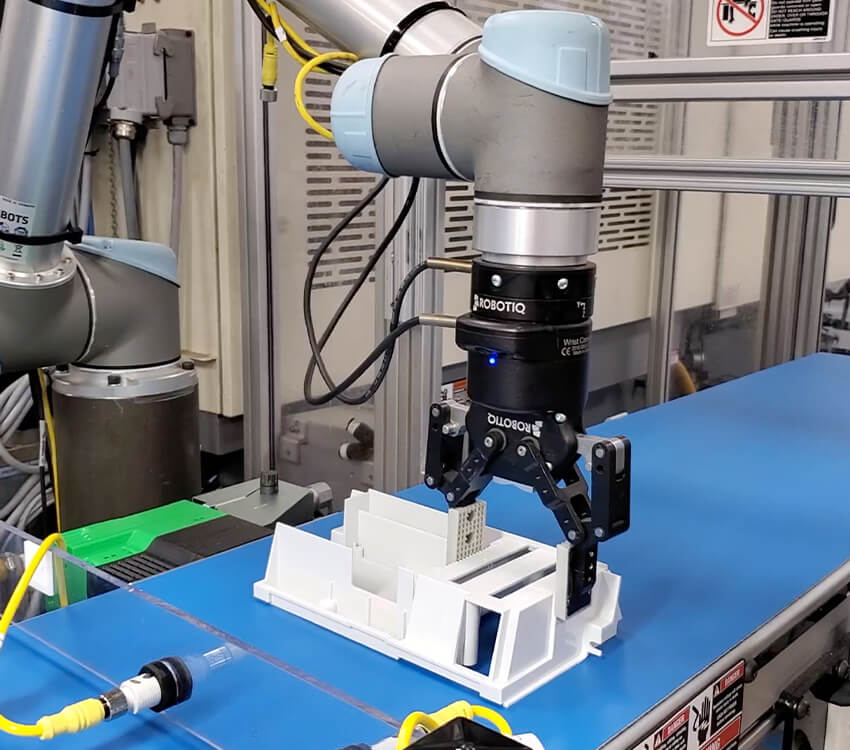
Depending on application requirements, molded components may move into secondary operations such as ultrasonic welding, machining, pad printing, laser etching, inspection, assembly, labeling, or packaging before shipment.
Consolidating these services through a single manufacturing partner can improve quality control, shorten lead times, and reduce supplier complexity.
Key Benefits of Plastic Injection Molding
Plastic injection molding remains one of the most widely used manufacturing processes because it combines precision, repeatability, scalability, and economic efficiency in a way few alternative processes can match.
For engineered products, consistency matters just as much as functionality.
One of the greatest advantages of injection molding is its ability to produce repeatable parts with tight dimensional control over extended production runs. Once tooling is complete and the manufacturing process is validated, manufacturers can produce thousands, or even millions, of consistent components.
This makes injection molding particularly valuable for products where fit, form, and functional reliability must remain stable over time.
Injection molding requires upfront tooling investment, but long-term economics improve significantly as production volume increases.
Once a stable manufacturing process is established, material utilization becomes efficient, cycle times are optimized, and repeatability minimizes scrap and rework.
For recurring production programs, injection molding often delivers stronger long-term manufacturing economics than machining or lower-volume fabrication methods.
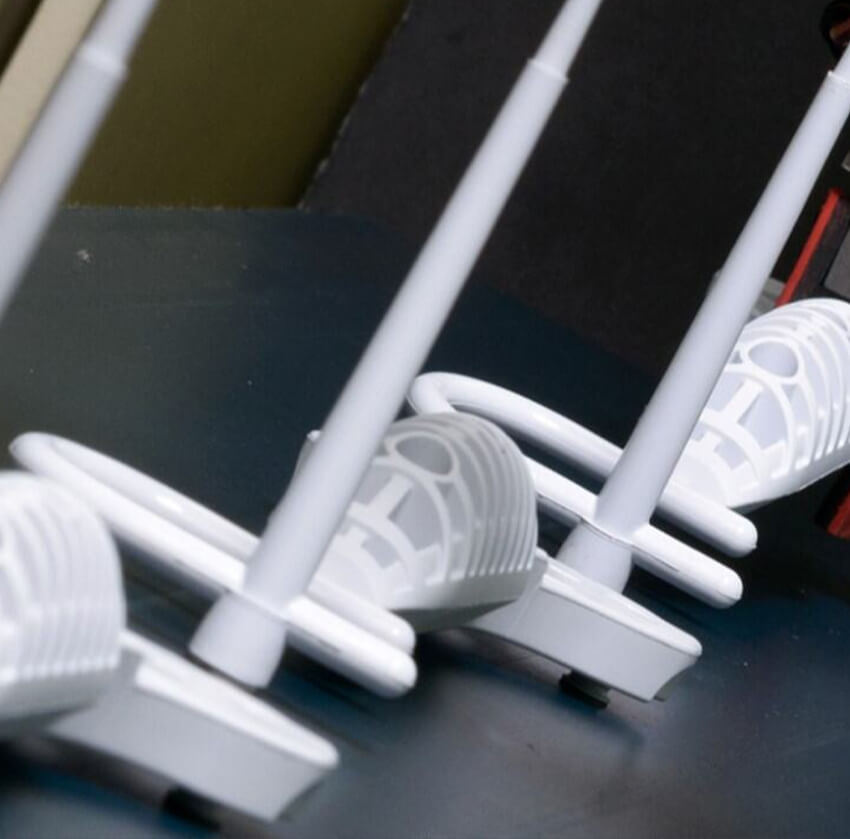
Modern plastic injection molding supports a wide range of sophisticated part geometries and integrated design features.
Complex assemblies can often be simplified into fewer molded components, reducing assembly complexity and improving reliability.
Design possibilities include intricate internal geometry, snap fits, integrated structural features, textured surfaces, thin walls, insert molding, and overmolding.
Strong design-for-manufacturability collaboration helps maximize these advantages while controlling tooling complexity and production cost.
A broad range of thermoplastics allows molded components to be tailored to highly specific application requirements.
Manufacturers can select materials based on performance priorities such as strength, flexibility, heat resistance, chemical compatibility, impact resistance, sterilization suitability, wear resistance, flame resistance, and electrical performance.
This versatility allows injection molding to serve highly diverse industries and applications.
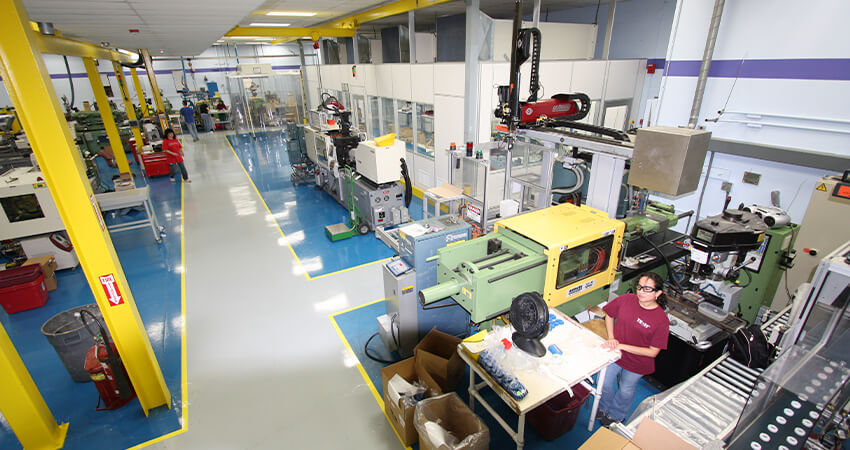
One of the strongest strategic advantages of injection molding is scalability.
Programs can evolve from prototype validation into bridge production and eventually full production manufacturing without fundamentally changing manufacturing strategy.
This makes injection molding a practical long-term manufacturing solution for growing programs.
Plastic Injection Molding Materials
Material selection is one of the most important decisions in any molding program.
The right material affects product performance, manufacturability, regulatory suitability, durability, and overall program economics.
ABS remains one of the most widely used thermoplastics due to its excellent balance of toughness, dimensional stability, cosmetic appearance, and manufacturability.
It is commonly used for housings, enclosures, structural components, and durable assemblies.
Polypropylene offers strong chemical resistance, flexibility, and cost efficiency.
It is frequently used in medical disposables, fluid handling applications, packaging components, and designs requiring living hinge functionality.
Polyethylene provides flexibility, toughness, and excellent chemical resistance.
It is commonly selected for protective components, industrial applications, and fluid-related products.
Nylon is a highly capable engineering material known for durability, wear resistance, and mechanical strength.
It is often selected for industrial structural components and applications involving repeated movement or mechanical stress.
Polycarbonate offers exceptional impact resistance, dimensional stability, and structural performance.
It is often used for rugged housings, durable components, and applications requiring strong mechanical properties.
PEEK is a premium engineering thermoplastic selected for demanding environments requiring exceptional heat resistance, chemical durability, and mechanical performance.
It is typically reserved for specialized applications where standard engineering resins may not meet performance requirements.
Material Selection Considerations
Selecting the right resin involves more than reviewing material data sheets.
Critical considerations often include operating environment, mechanical loading, chemical exposure, sterilization requirements, regulatory expectations, cosmetic priorities, dimensional stability, long-term availability, and cost objectives.
Early engineering collaboration helps prevent expensive redesigns later.
Applications of Plastic Injection Molding
Plastic injection molding supports a wide range of engineered applications across demanding industries.
Medical Devices and Medical Equipment
Medical manufacturing demands repeatability, documentation, consistency, and disciplined process control.
Injection molded components commonly include device housings, fluid management components, disposable assemblies, diagnostic product components, molded support structures, and equipment subassemblies.
TechNH has extensive experience supporting medical and medical-adjacent manufacturing programs where quality systems and repeatability matter.
Read: Mastering Quality and Compliance in Medical Injection Molding

Defense and Military Applications
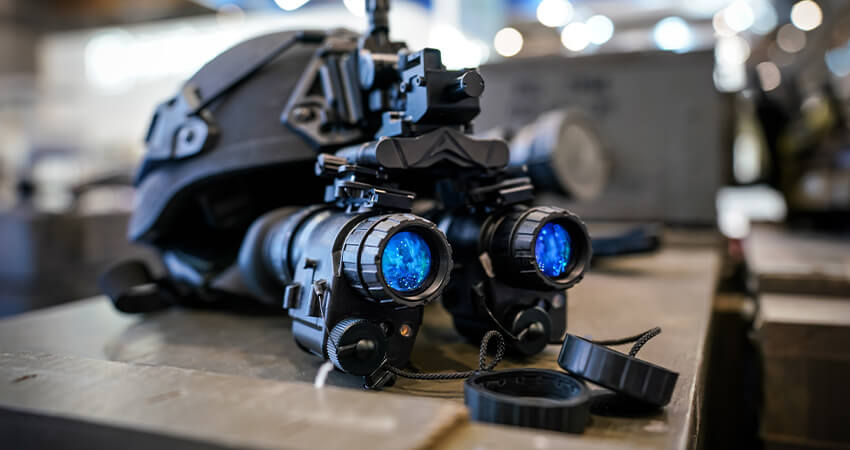
Defense-related programs require reliability, manufacturing discipline, documentation, and supply chain confidence.
Injection molded applications may include rugged housings, battery-related components, optics-related assemblies, electronic enclosures, and structural molded parts.
TechNH’s ITAR registration and controlled manufacturing approach support these demanding environments.
Precision Industrial Applications
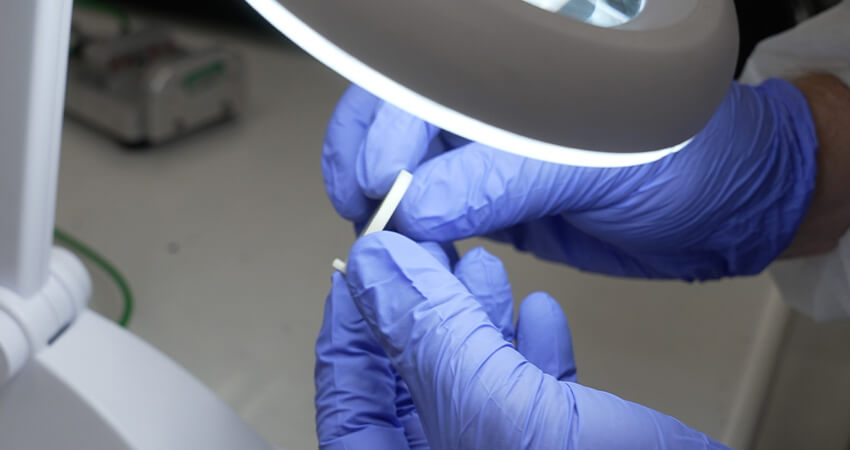
Industrial programs frequently require molded components capable of performing under stress, environmental exposure, or repeated mechanical use.
Common applications include structural housings, connectors, fluid handling components, wear-resistant assemblies, and technical industrial products.
Energy, Hydrogen, and Fluid Systems
Advanced energy systems, fluid control products, and high-performance filtration assemblies often require engineered molded components capable of performing in demanding operating conditions.
These applications benefit from strong material selection guidance and manufacturing collaboration early in development.

Custom Plastic Injection Molding Services
TechNH supports customers with more than molding capacity alone.
Our approach focuses on solving manufacturing challenges while helping customers simplify execution and reduce risk.
Speed matters in product development.
TechNH partners with qualified prototype tool manufacturers to provide rapid-turn soft tooling solutions that support early validation, bridge production, and accelerated development timelines.
As products mature, those programs can transition into full production tooling and scalable manufacturing without forcing customers to restart with a new manufacturing partner.
This creates continuity from development through commercialization.
Injection molding requires upfront tooling investment, but long-term economics improve significantly as production volume increases.
Once a stable manufacturing process is established, material utilization becomes efficient, cycle times are optimized, and repeatability minimizes scrap and rework.
For recurring production programs, injection molding often delivers stronger long-term manufacturing economics than machining or lower-volume fabrication methods.
Successful programs start with smart engineering decisions.
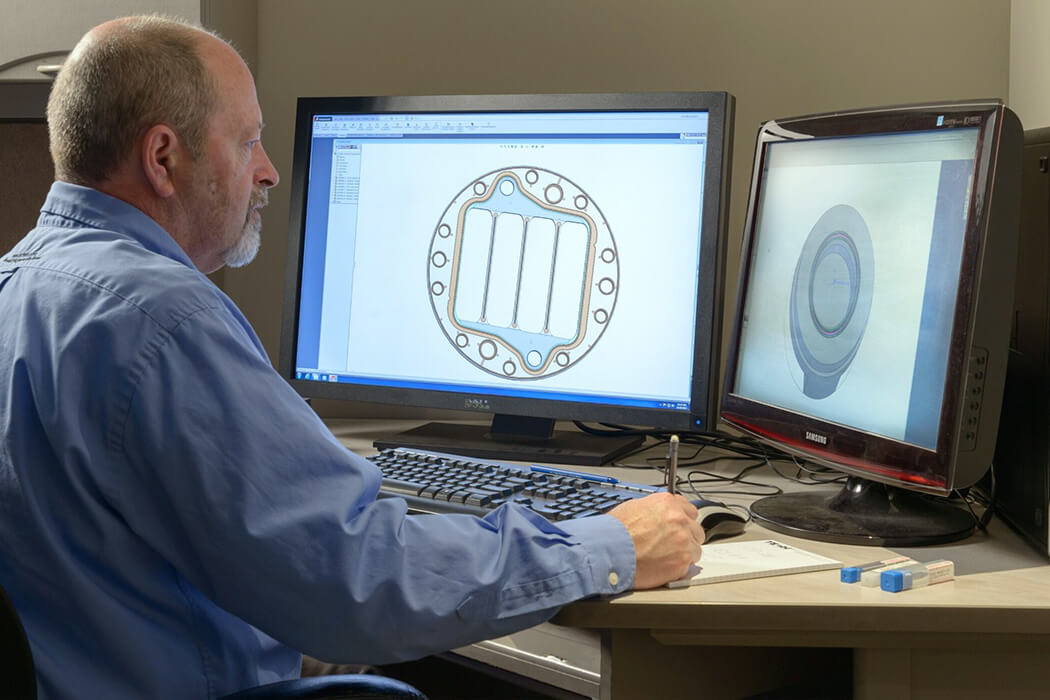
TechNH works with customers to evaluate manufacturability considerations including part geometry, tooling complexity, resin selection, production efficiency, and downstream assembly requirements.
Early collaboration often improves manufacturability while reducing long-term cost and production risk.
Read Blog: How Design For Manufacturability (DFM) Enhances Injection Molding Efficiency
TechNH supports tooling programs through vetted tooling partnerships and internal expertise designed to align with customer program requirements.
Whether the priority is speed, scalability, or long-term manufacturing performance, tooling strategy is developed around the needs of the program.
Many products require significantly more than molding alone.
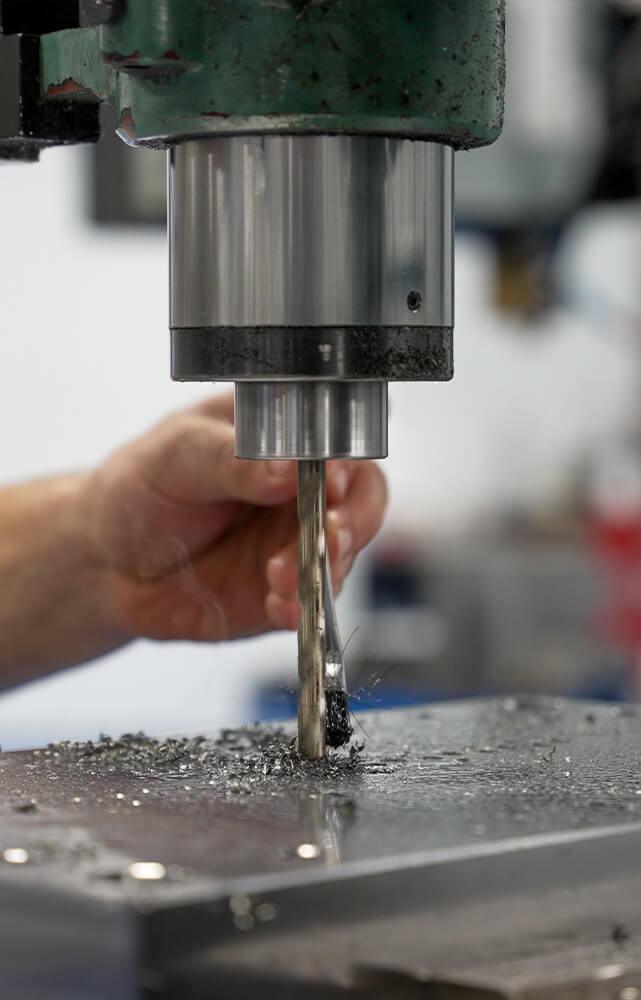
TechNH offers value-added services including ultrasonic welding, machining, pad printing, laser etching, assembly, inspection, packaging, and labeling.
Consolidating these processes under one manufacturing partner improves execution while reducing supply chain complexity.
Existing Tooling? Mold Transfer Services Available
Not every manufacturing improvement requires starting from scratch.
For many organizations, the fastest path to better quality, stronger communication, and improved supply chain performance is transferring existing tooling to a more capable manufacturing partner.
TechNH supports mold transfer programs for customers seeking domestic reshoring, supplier transitions, improved manufacturing consistency, stronger engineering collaboration, reduced lead time risk, and long-term supply confidence.
Tool transfer programs typically begin with tooling evaluation and condition assessment.
Where required, refurbishment, engineering updates, or maintenance can be addressed before production onboarding.
For customers operating in regulated environments, TechNH also supports process qualification and validation requirements associated with transferred programs.
Existing tooling represents a significant investment. Our goal is to help customers protect that investment while improving outcomes.
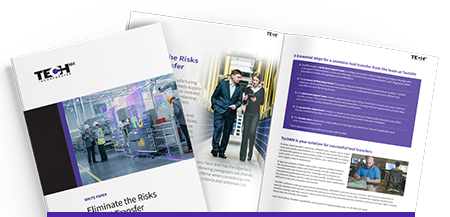 |
Unhappy with your current molder?See how to seamlessly transfer your tool to get started. |
Get White Paper |
Quality Systems for High-Reliability Manufacturing
For technically demanding products, manufacturing discipline matters.
TechNH supports customers requiring controlled, documented manufacturing systems built around repeatability, traceability, and process control.
Our infrastructure includes ISO 13485 certified quality systems, FDA registered manufacturing operations, ITAR registration, Prime Ready defense manufacturing support, documented process controls, traceability systems, and statistical process monitoring.
Quality is not treated as an inspection event at the end of production. It is built into the manufacturing process from the start.
For customers requiring formal validation, TechNH supports IQ, OQ, and PQ process validation activities as part of program execution.
This is particularly important for regulated medical manufacturing and other controlled environments where documented process consistency is essential.
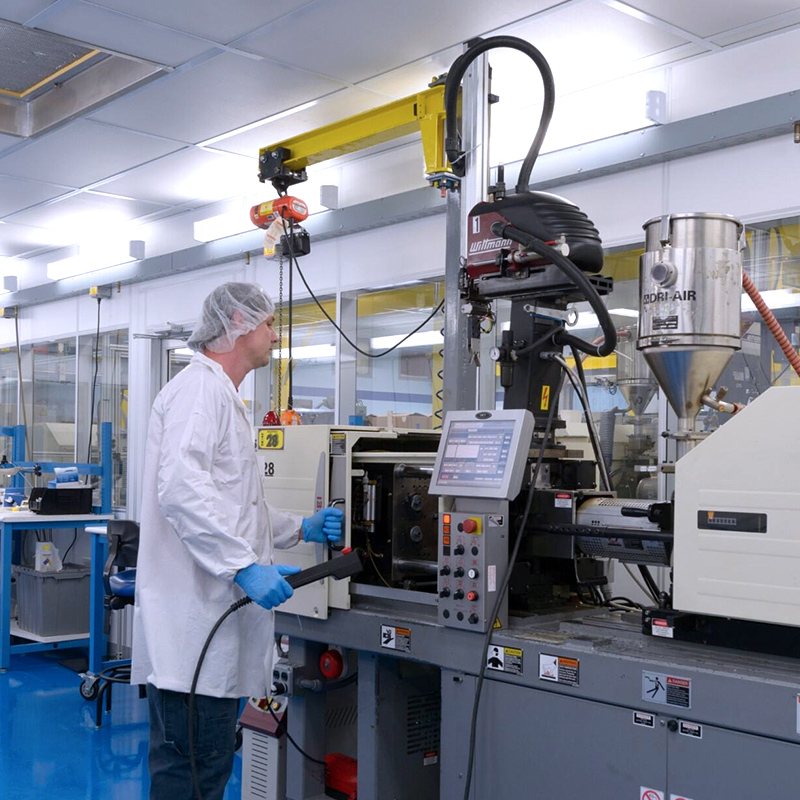
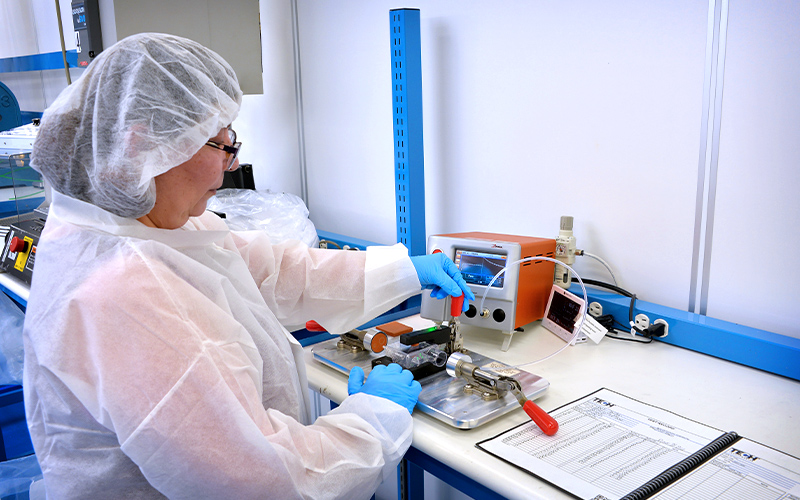
TechNH supports controlled manufacturing requirements through dedicated clean manufacturing capabilities, including hardwall cleanroom manufacturing and portable clean manufacturing cells capable of supporting Class 8 applications.
Why Choose TechNH for Plastic Injection Molding?
Choosing a plastic injection molding partner involves more than comparing equipment or quoted pricing.
The right manufacturing partner reduces risk, improves supply confidence, and supports long-term program success.
TechNH focuses on engineered plastic components where consistency, performance, and disciplined manufacturing matter.
We are not positioned as a commodity molding supplier. Our strength lies in technically demanding programs where execution creates measurable value.
Domestic manufacturing improves responsiveness, engineering collaboration, communication, and supply continuity.
For customers navigating aggressive timelines, engineering revisions, or global sourcing concerns, proximity matters.
TechNH helps customers move from rapid development through long-term production without disruptive manufacturing transitions.
Secondary operations, assembly support, and integrated manufacturing services reduce supplier complexity and improve overall execution.
Our quality infrastructure supports customers operating in environments where documentation, repeatability, traceability, and controlled manufacturing are essential.
Existing tooling is valuable. We help customers leverage that investment while improving manufacturing outcomes.
Frequently Asked Questions
Plastic injection molding is used to manufacture repeatable plastic components for industries including medical devices, industrial equipment, defense applications, fluid systems, filtration products, and engineered electronic assemblies.
Costs vary depending on part complexity, tooling requirements, material selection, tolerances, production volume, and secondary operations.
While tooling represents an upfront investment, long-term economics improve significantly with recurring production.
Common materials include ABS, polypropylene, polyethylene, nylon, polycarbonate, TPEs, and specialty engineering resins such as PEEK.
Material selection depends on the application’s performance requirements.
Injection molding produces precision solid plastic components, while blow molding is typically used for hollow plastic products such as bottles or containers.
Timelines vary depending on tooling complexity, material requirements, development stage, and validation needs.
Prototype programs generally move faster than full production tooling programs.
It can be, particularly when prototype or bridge tooling is used.
However, injection molding delivers its strongest long-term economic value in recurring production programs.
Request a Quote
Whether you are developing a new product, scaling an existing manufacturing program, or evaluating a tooling transfer opportunity, TechNH is ready to help.
If your project requires precision molded plastic components, domestic manufacturing support, regulatory-ready quality systems, secondary operations, scalable production, or mold transfer expertise, our team is ready to discuss your program.
Request a quote today and connect with TechNH’s engineering and manufacturing team.